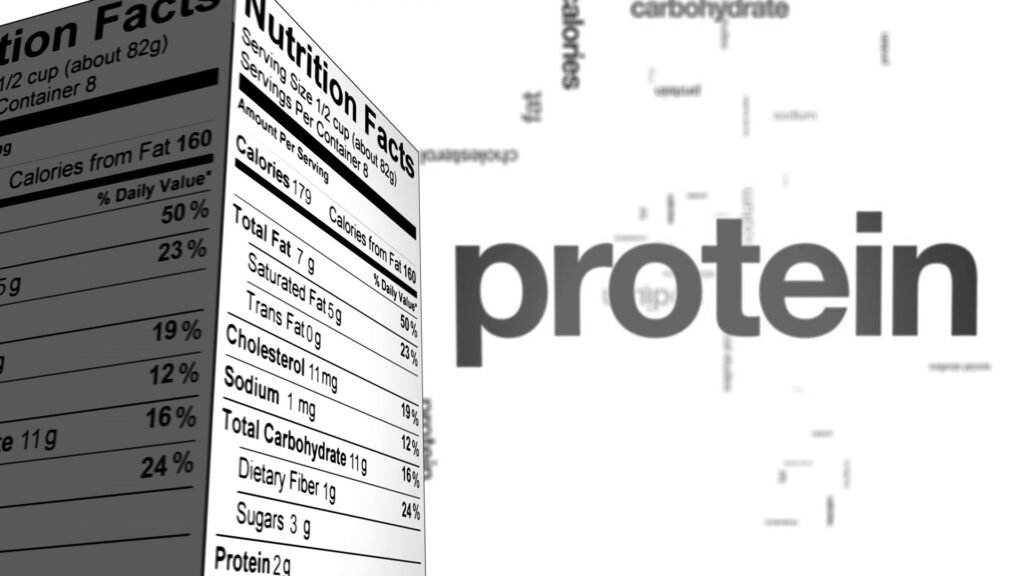
RECOMMENDED PROTEIN INTAKE FOR GLP-1 USERS
RECOMMENDED PROTEIN INTAKE FOR GLP-1 USERS
ABOUT THE EXERCISE PHYSIOLOGIST
ABOUT THE EXERCISE PHYSIOLOGIST

Patrick Service, M.S., ACSM-EP® is an Exercise Physiologist and founder of YOUTRAINFITNESS® in Durham, North Carolina. With 30+ years of professional experience in exercise and fitness, Patrick specializes in helping individuals safely begin and maintain exercise programs, including those using GLP-1 medications for weight management.
He developed the SERVICE™ GLP-1 Exercise Framework, an evidence-informed, four-phase conceptual framework designed to organize exercise considerations throughout different stages of GLP-1 treatment.
His approach emphasizes strength, muscle preservation, physical function, fitness, sustainable physical activity and collaboration with healthcare professionals.
Learn more about Patrick Service
BUILD → PRESERVE → PREPARE → MAINTAIN
BUILD → PRESERVE → PREPARE → MAINTAIN
🌱 Food for Thought
"Food quality doesn't become less important on GLP-1 medications—it becomes more important."
WHY PROTEIN IS SO IMPORTANT ON GLP-1 MEDICATIONS
WHY PROTEIN IS SO IMPORTANT ON GLP-1 MEDICATIONS
GLP-1 medications naturally reduce appetite, which often leads to lower total food intake.
While this helps with weight loss, it can unintentionally reduce protein consumption.
Protein is essential because it:
- Preserves lean muscle during calorie deficits
- Supports muscle repair after exercise
- Helps maintain metabolic rate
- Improves satiety and appetite control
- Supports recovery and energy levels
Without enough protein, a greater percentage of weight loss may come from muscle rather than fat.
HOW MUCH PROTEIN DO YOU NEED ON GLP-1?
HOW MUCH PROTEIN DO YOU NEED ON GLP-1?
The recommended protein intake for GLP-1 Users depends on your body size and goals:
-
General evidence-based guideline:
- 1.2–1.6 grams of protein per kilogram of body weight (or goal body weight) per day
- Equivalent to about 0.55–0.75 grams per pound
Higher intake (recommended for people who strength train regularly, older adults, or those focused on maximizing muscle retention):
- 1.6–2.0 grams per kilogram per day
- Equivalent to about 0.75–0.9 grams per pound
If you’re actively trying to preserve or build muscle while losing weight, aiming toward the higher end of these ranges—along with regular resistance training—is generally the most effective approach.
- 1.2–1.6 grams of protein per kilogram of body weight (or goal body weight) per day
Here are some examples:
|
Body weight |
Daily protein target (1.2-1.6 g/kg) |
|
60 kg (132 lb) |
72-96 g |
|
70 kg (154 lb) |
84-112 g |
|
80 kg (176 lb) |
96-128 g |
|
90 kg (198 lb) |
108-144 g |
|
100 kg (220 lb) |
120-160 g |
Tips for meeting your protein goals
- Aim for 25–35 grams of protein per meal, or distribute your protein evenly across the meals and snacks you eat throughout the day.
- Prioritize protein at meals, especially if your appetite decreases later in the day.
- Include resistance training at least 2–3 times per week, if you’re able, to help preserve muscle while losing weight
WHAT HAPPENS IF YOU DON'T EAT ENOUGH PROTEIN?
WHAT HAPPENS IF YOU DON'T EAT ENOUGH PROTEIN?
Inadequate protein intake during GLP-1 weight loss can lead to:
- Muscle loss
The body may break down lean tissue for energy and amino acids.
- Lower strength and performance
Workouts may feel harder and recovery slows down.
- Increased fatigue
Muscle loss can reduce overall energy levels.
- Slower metabolism
Lean muscle plays a key role in resting metabolic rate.
- Poor long-term weight maintenance
Less muscle can make weight regain more likely after stopping medication.
WHAT IS THE RECOMMENDED TYPE OF PROTEIN?
WHAT IS THE RECOMMENDED TYPE OF PROTEIN?
It depends on your overall objective for weight loss.
Here is a video to provide some comparative guidance.
To ensure that you are receiving the adequate amounts and to receive the recommended protein intake for GLP-1 users, you may find a registered dietitian who can provide further guidance.
HOW TO REACH YOUR PROTEIN GOALS (EVEN WITH LOW APPETITE)
HOW TO REACH YOUR PROTEIN GOALS (EVEN WITH LOW APPETITE)
Many GLP-1 users struggle to eat enough due to early fullness.
Here are practical strategies:
- Spread protein throughout the day
Instead of large meals, aim for smaller protein-rich meals:
- Breakfast
- Lunch
- Dinner
- Optional protein snack or shake
- Use protein supplements when needed
Protein shakes can be helpful when solid food feels difficult.
They are not required—but they are often practical during low-appetite phases.
- Prioritize protein first in meals
Eat protein before carbohydrates or fats to ensure intake is met.
PROTEIN AND STRENGTH TRAINING WORK TOGETHER
PROTEIN AND STRENGTH TRAINING WORK TOGETHER
Protein alone is not enough to preserve muscle.
It works best when combined with:
- Resistance training 2–4 times per week
- Adequate recovery
- Consistent movement
Together, these factors help maintain lean mass during weight loss.
CAN YOU BUILD MUSCLE WHILE ON GLP-1?
CAN YOU BUILD MUSCLE WHILE ON GLP-1?
Yes, in some cases.
Muscle gain is most likely when:
- You are new to strength training
- Protein intake is adequate
- Training is consistent
- Calorie deficit is moderate (not extreme)
Many individuals experience body recomposition, where fat is lost while strength and muscle are maintained or slightly improved.
COMMON MISTAKES WITH PROTEIN ON GLP-1
COMMON MISTAKES WITH PROTEIN ON GLP-1
- Eating too little due to low appetite
This is the most common issue.
- Not tracking intake at all
Many people underestimate how little protein they are consuming.
- Relying on ultra-processed low-protein foods
These do not support muscle preservation.
- Skipping meals unintentionally
Reduced appetite often leads to missed protein opportunities.
SIMPLE DAILY PROTEIN STRATEGY
SIMPLE DAILY PROTEIN STRATEGY
A practical structure:
- Each meal: 25–40g protein
- 3 meals per day minimum
- Add a shake if needed
This alone can significantly improve muscle retention and energy.
WHY PROTEIN MATTERS MORE ON GLP-1 THAN TRADITIONAL DIETS
WHY PROTEIN MATTERS MORE ON GLP-1 THAN TRADITIONAL DIETS
In typical dieting:
- Hunger increases
- Food intake is more variable
- Protein is easier to consume in larger quantities
On GLP-1 therapy:
- Hunger decreases significantly
- Meal volume is lower
- Protein intake must be intentionally structured
This is why planning matters more than ever.
THE BOTTOM LINE
THE BOTTOM LINE
Protein intake is one of the most important factors in determining your results on GLP-1 medications.
Without it:
- Weight loss may include muscle loss
- Energy levels may decline
- Long-term maintenance becomes harder
With it:
- Fat loss is more likely to be preserved
- Strength is maintained
- Body composition improves significantly
WHO THIS IS FOR
WHO THIS IS FOR
This and our other guide are designed for individuals who:
- Are using GLP-1 medications
- Want to preserve muscle during weight loss
- Are experiencing low appetite or fatigue
- Want a structured approach to nutrition and training
EXERCISE PHYSIOLOGIST INSIGHT
EXERCISE PHYSIOLOGIST INSIGHT
In clinical exercise physiology, protein intake is one of the most critical variables for preserving lean mass during rapid weight loss phases.
When combined with properly dosed resistance training and recovery management, it significantly improves body composition outcomes during GLP-1 use.
WORK WITH ME
WORK WITH ME
As a certified exercise physiologist in Durham NC, I would love to work with you if you are currently using GLP-1 medications or are tapering off and want a structured plan to:
- Preserve muscle
- Improve energy
- Build sustainable results
CLIENT RESULTS AND EXPERIENCE
CLIENT RESULTS AND EXPERIENCE
Clients commonly report:
- Improved strength during weight loss
- Better mobility and joint confidence
- Reduced fear of exercise
- Improved energy and daily function
- Sustainable weight loss habits
The focus is not just transformation. It is control, confidence, and long-term stability.
👉 Future Client or Patient FormLearn More About GLP-1 Exercise
For more detailed information about exercising while taking GLP-1 medications, visit our:
This resource center provides additional educational information about GLP-1 exercise, strength training, muscle preservation, progression, and related topics.
Exercise Physiology Services in Durham, NC
This GLP-1 exercise program is part of our Exercise Physiology Services in Durham, NC.
Link: Certified Exercise Physiologist in Durham NC