FOOD QUALITY MATTERS WHEN TAKING GLP-1 MEDICATIONS
FOOD QUALITY MATTERS WHEN TAKING GLP-1 MEDICATIONS
ABOUT THE EXERCISE PHYSIOLOGIST
ABOUT THE EXERCISE PHYSIOLOGIST

Patrick Service, M.S., ACSM-EP® is an Exercise Physiologist and founder of YOUTRAINFITNESS® in Durham, North Carolina. With 30+ years of professional experience in exercise and fitness, Patrick specializes in helping individuals safely begin and maintain exercise programs, including those using GLP-1 medications for weight management.
He developed the SERVICE™ GLP-1 Exercise Framework, an evidence-informed, four-phase conceptual framework designed to organize exercise considerations throughout different stages of GLP-1 treatment.
His approach emphasizes strength, physical function, fitness, sustainable physical activity and collaboration with healthcare professionals.
Learn more about Patrick Service
BUILD → PRESERVE → PREPARE → MAINTAIN
BUILD → PRESERVE → PREPARE → MAINTAIN
Food Quality Matters When Taking GLP-1 Medications! GLP-1 medications such as semaglutide and tirzepatide have become powerful tools for weight management by reducing appetite, improving satiety, and lowering “food noise.” However, long-term success is not just about weight loss because food quality matters when taking GLP-1 medications. These success should be measured by sustainable habits, nutrient quality, and behavior change that lasts well beyond medication use.
One important observation in clinical and lifestyle discussions is that some individuals experience weight loss on GLP-1 medications without significantly improving the quality of their food choices. While calories may decrease, diets can still be high in ultra-processed foods and low in essential nutrients. Over time, this may create challenges if healthy habits are not established before discontinuing medication support.
This is why the focus should extend beyond weight loss into food quality, whole-food nutrition, and behavioral learning.
WHY FOOD QUALITY MATTERS WITH A SMALLER APPETITE
WHY FOOD QUALITY MATTERS WITH A SMALLER APPETITE
GLP-1 medications help people eat less naturally. While this creates a calorie deficit that supports weight loss, it also means that every meal needs to work harder nutritionally.
If someone previously consumed 2,500 calories per day but now eats 1,400 calories, there is much less room for foods that provide calories without adequate nutrition.
This is why food quality matters when taking GLP-1 medications. Choosing nutrient-dense foods helps ensure the body still receives:
- Protein to help preserve muscle
- Fiber for digestive health and fullness
- Vitamins and minerals for overall health
- Healthy fats that support heart and brain health
- Phytonutrients and antioxidants that help reduce inflammation and support long-term wellness
Simply eating less does not automatically mean eating better.
WEIGHT LOSS ALONE IS NOT THE GOAL
WEIGHT LOSS ALONE IS NOT THE GOAL
GLP-1 medications are excellent tools, but they do not automatically improve:
- Food quality
- Nutrient intake
- Cooking and meal planning skills
- Grocery shopping habits
- Emotional eating patterns
- Long-term lifestyle behaviors
Some individuals lose weight while continuing to rely heavily on ultra-processed foods. Although reduced appetite may allow weight loss despite poorer food choices, this approach may leave nutritional gaps and make maintaining weight more difficult once medication is discontinued.
The goal should be more than losing weight—it should be improving health.
WHOLE PLANT FOODS NATURALLY COMPLEMENT GLP-1 MEDICATIONS
WHOLE PLANT FOODS NATURALLY COMPLEMENT GLP-1 MEDICATIONS
Whole plant foods work remarkably well alongside GLP-1 medications because they naturally provide many of the qualities that support healthy weight management.
Foods such as:
- Vegetables
- Fruits
- Beans
- Lentils
- Chickpeas
- Whole grains
- Potatoes
- Nuts
- Seeds
are naturally rich in fiber, vitamins, minerals, antioxidants, and water while generally being lower in calorie density than many ultra-processed foods.
These foods help people feel satisfied while providing the nutrients needed to support energy, recovery, heart health, and overall wellbeing.
Rather than viewing GLP-1 medications as replacing healthy eating, they should be viewed as creating the ideal opportunity to build healthier eating habits.
FIBER DESERVES MORE ATTENTION
FIBER DESERVES MORE ATTENTION
One of the biggest nutritional advantages of whole plant foods is their fiber content.
Fiber supports:
- Better digestive health
- Improved bowel regularity
- Greater fullness after meals
- Healthier blood sugar control
- Lower cholesterol
- A healthier gut microbiome
Constipation is one of the most commonly reported side effects of GLP-1 medications. Unfortunately, many people respond by simply eating less without increasing fiber intake.
Choosing beans, lentils, vegetables, fruits, oats, barley, and whole grains can help increase fiber while also improving overall nutrition.
EVERY BITE COUNTS
EVERY BITE COUNTS
Because appetite is reduced, every meal should provide as much nutritional value as possible.
Compare these two meals containing similar calories:
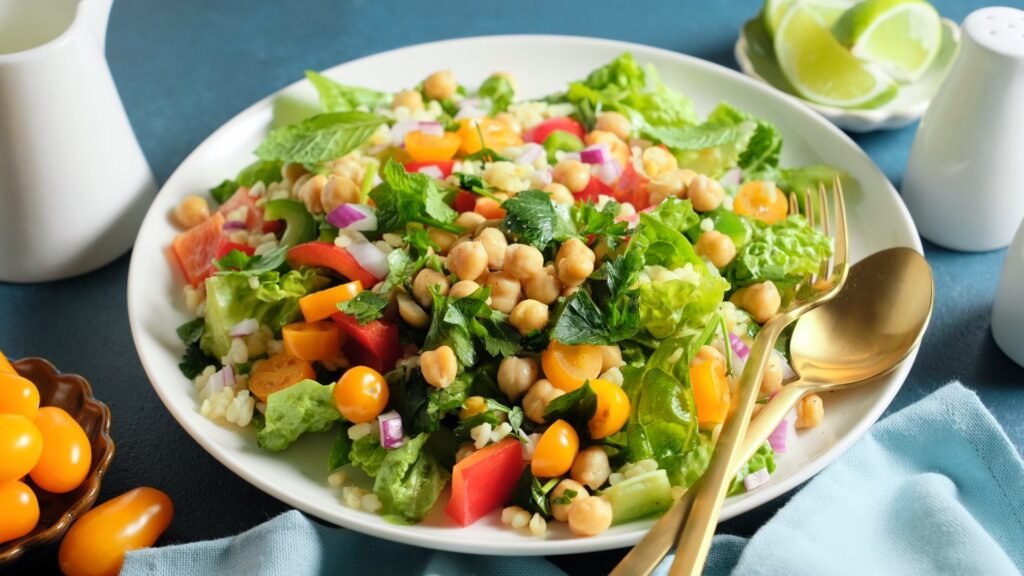
A meal of beans, quinoa, roasted vegetables, leafy greens, and avocado provides protein, fiber, healthy fats, potassium, magnesium, folate, and countless beneficial plant compounds.
A meal of chips, sweets, or fast food provides far fewer nutrients despite containing similar calories.
When calories decrease, nutrient density becomes increasingly important.
PROTECTING MUSCLE DURING WEIGHT LOSS
PROTECTING MUSCLE DURING WEIGHT LOSS
Rapid weight loss can include the loss of lean muscle if adequate nutrition is not maintained.
To help preserve muscle:
- Eat sufficient protein throughout the day.
- Include legumes, soy foods, whole grains, nuts, and seeds as regular protein sources.
- Include resistance or strength training several times each week.
- Avoid replacing nutritious meals with nutrient-poor snack foods.
Maintaining muscle supports metabolism, physical function, and long-term weight maintenance.
UNDERSTANDING YOUR RELATIONSHIP WITH FOOD
UNDERSTANDING YOUR RELATIONSHIP WITH FOOD
GLP-1 medications reduce hunger, creating an opportunity to observe eating behaviors more objectively.
Many people discover they were eating because of:
- Habit
- Stress
- Boredom
- Convenience
- Social situations
instead of genuine physical hunger.
This awareness creates an opportunity to establish healthier patterns by:
- Choosing whole foods more intentionally
- Preparing meals at home more often
- Planning meals in advance
- Learning how different foods affect fullness, energy, and wellbeing
This phase is not simply about eating less—it is about learning how nourishing foods make you feel.
USING REDUCED FOOD NOISE TO BUILD BETTER HABITS
USING REDUCED FOOD NOISE TO BUILD BETTER HABITS
With fewer thoughts constantly focused on food, many people finally have the mental space to build sustainable routines.
This is an excellent time to:
- Prioritize minimally processed foods
- Increase fruit and vegetable intake
- Include legumes and whole grains regularly
- Build balanced meals around protein and fiber
- Learn portion awareness without extreme restriction
- Develop meal planning habits that will continue long after medication
These habits become the foundation for maintaining weight loss.
EMOTIONAL EATING STILL REQUIRES ATTENTION
EMOTIONAL EATING STILL REQUIRES ATTENTION
Although GLP-1 medications reduce appetite, emotional eating triggers do not necessarily disappear.
Common triggers include:
- Stress
- Fatigue
- Boredom
- Anxiety
- Social situations
Rather than automatically turning to food, this can be an opportunity to develop healthier coping strategies such as walking, exercise, mindfulness, hobbies, or connecting with family and friends.
Behavior change remains one of the most valuable long-term benefits of treatment.
DEVELOPING A HEALTHY HABIT
DEVELOPING A HEALTHY HABIT
Long-term success comes from becoming someone who consistently chooses healthy behaviors.
Instead of saying:
“I’m trying to lose weight.”
Consider thinking:
“I choose foods that nourish my body and support my long-term health.”
This shift encourages habits such as:
- Choosing whole foods most of the time
- Eating adequate protein and fiber
- Staying physically active
- Drinking enough water
- Planning meals instead of relying on convenience foods
Over time, these behaviors become part of everyday life rather than temporary strategies.
PREPARING FOR LIFE AFTER GLP-1 MEDICATIONS
PREPARING FOR LIFE AFTER GLP-1 MEDICATIONS
Eventually, many people reduce or discontinue GLP-1 medications.
If healthy habits have not been developed, appetite may return while previous eating patterns remain unchanged.
Using treatment as a learning period greatly improves the chances of maintaining weight loss.
Focus on:
- Whole-food nutrition
- Plenty of fruits and vegetables
- Legumes and whole grains
- Adequate protein
- Strength training
- Meal planning
- Consistent physical activity
- Limiting ultra-processed foods
The medication helps reduce appetite, but healthy habits help maintain results.
FINAL THOUGHTS
FINAL THOUGHTS
Food quality matters when taking GLP-1 medications because appetite suppression does not replace nutrition.
In fact, eating less makes food quality even more important. Every bite should provide the nutrients needed to support muscle, gut health, energy, and long-term wellbeing.
GLP-1 medications can be powerful tools, but they work best when combined with nutrient-dense whole foods, regular physical activity, and lasting behavior change.
The greatest success is not simply losing weight. It is using this opportunity to build a healthier way of eating that can be sustained for years to come.
WORK WITH ME
WORK WITH ME
As an ACSM certified exercise physiologist in Durham NC, I would love to work with you if you are currently using GLP-1 medications or tapering off and want a structured plan to:
- Lose fat safely
- Preserve muscle
- Improve energy
- Maintain long-term results
CLIENT RESULTS AND EXPERIENCE
CLIENT RESULTS AND EXPERIENCE
Clients commonly report:
- Improved strength during weight loss
- Better mobility and joint confidence
- Reduced fear of exercise
- Improved energy and daily function
- Sustainable weight loss habits
The focus is not just transformation. It is control, confidence, and long-term stability.
👉 Future Client or Patient FormTo Learn More, Visit our GLP-1 Exercise & Fitness Resource Center
This Program is Part of our Exercise Physiology Services in Durham NC
Link: Certified Exercise Physiologist in Durham NC