
How Exercise Supports Long-Term Success When Reducing GLP-1 Medication

About the Exercise Physiologist

Patrick Service, M.S., ACSM-EP® is an Exercise Physiologist and founder of YOUTRAINFITNESS® in Durham, North Carolina. With 30+ years of professional experience in exercise and fitness, Patrick specializes in helping individuals safely begin and maintain exercise programs, including those using GLP-1 medications for weight management.
He developed the SERVICE™ GLP-1 Exercise Framework, an evidence-informed, four-phase conceptual framework designed to organize exercise considerations throughout different stages of GLP-1 treatment.
His approach emphasizes strength, muscle preservation, physical function, fitness, sustainable physical activity and collaboration with healthcare professionals.
Learn more about Patrick Service
BUILD → PRESERVE → PREPARE → MAINTAIN
BUILD → PRESERVE → PREPARE → MAINTAIN
|
Phase |
Primary Goal |
|
Phase 1 – Reduced Dose |
Build exercise habits and preserve muscle |
|
Phase 2 – Full Dose |
Progress strength while managing reduced energy intake |
|
✓ Phase 3 – Tapering Off (You are here) |
Increase training capacity and prepare for medication reduction |
|
Phase 4 – Off GLP-1/Maintenance |
Maintain weight loss and long-term muscle health |
GLP-1 Tapering Exercise Plan
For many individuals, GLP-1 medication can provide important support during weight loss. However, one of the most important stages of the journey begins when medication is reduced. The tapering phase is a transition period where the body begins adapting to:
- Lower medication support
- Changes in appetite regulation
- Increased hunger signals
- New long-term eating patterns
- Maintaining weight without the same level of medication assistance
This is where exercise becomes especially important. Presenting, the GLP-1 Phase 3 Tapering Exercise Plan.
The goal during GLP-1 tapering is not simply to continue losing weight.
The goal is to protect the progress already achieved.
A structured exercise plan during medication transition helps support:
- Muscle preservation
- Strength maintenance
- Healthy body composition
- Long-term weight maintenance
- Confidence and independence
The GLP-1 Phase 3 Tapering Exercise Plan is designed to help individuals transition from medication-supported weight loss toward long-term lifestyle success.
Why Exercise Matters During GLP-1 Tapering
During active weight loss, many individuals focus primarily on the number on the scale.
During tapering, the focus must shift.
The question becomes:
“How do we maintain the results?”
Exercise plays an important role because it helps preserve the physical changes created during treatment.
Without a structured exercise plan, individuals may experience:
- Loss of muscle mass
- Reduced strength
- Decreased activity levels
- Difficulty maintaining weight loss
- Return to previous habits
Resistance training provides the body with the signal needed to maintain muscle.
Daily movement supports consistency and energy balance.
Together, these create a foundation for long-term maintenance.
The Goal of Phase 3: Protect Results During Transition
The tapering phase has a different purpose than earlier stages.
The goal is not:
“Work harder to lose more weight.”
The goal of the is:
Maintain strength, preserve muscle, and build independence.
During this phase, exercise priorities include:
- ✓ Maintain resistance training consistency
- ✓ Continue progressive strength training
- ✓ Adapt to changing appetite and energy levels
- ✓ Increase confidence without medication dependence
Phase 3 Training Strategy
Primary Exercise Objective:
Maintain While Transitioning
As medication decreases, exercise provides structure and stability.
The recommended approach includes:
- 3–4 days per week resistance training
- Regular cardiovascular activity
- Increased daily movement
- Sustainable routines
The focus is consistency.
A successful maintenance strategy is built on habits that can continue long term.
Before You Begin
If you have been given permission by your health care provider to exercise, please share this routine with him/her to learn if it’s appropriate for your ability. If you would like a personalized program developed for your ability or ongoing coaching, hit the green button below.
Interested in our exercise physiology services? Please complete the appropriate form below to get started
👉 Future Client or Patient FormPhase 3 Sample Weekly Structure
|
Day |
Workout |
|
Monday |
Upper Body Strength |
|
Tuesday |
Cardio |
|
Wednesday |
Lower Body Strength |
|
Thursday |
Cardio or Active Recovery |
|
Friday |
Full Body Strength |
|
Saturday |
Longer Cardio Session |
|
Sunday |
Recovery |
Recommended goals:
- 9,000–11,000 daily steps when appropriate
- 200–280 minutes of moderate cardiovascular activity weekly
- 3–4 resistance training sessions weekly
Gym-Based GLP-1 Tapering Workout Plan
Upper Workout A
- Chest Press Machine
- Lat Pulldown
- Seated Row
- Cable Lateral Raise
- Triceps Pushdown
- Cable Curl
Perform:
Sets =
Reps =
Upper Workout B
Would you like to receive the rest of the Phase 3 Gym Workout and Home Workout exercise details?
Consider investing in a workshop or sign-up for our Exercise Physiology coaching.
👉 Future Client or Patient FormRECOVERY DURING MEDICATION TRANSITION
RECOVERY DURING MEDICATION TRANSITION
Recovery becomes increasingly important during tapering.
Prioritize:
Sleep
Aim for:
7–9 hours per night
Hydration
Maintain adequate fluid intake, especially when appetite changes.
Training Adjustments
If fatigue or nausea occurs:
- Reduce workout volume
- Choose walking or mobility work
- Resume normal training when energy improves
The goal is adjustment—not stopping.
COMMON MISTAKES DURING GLP-1 TAPERING
COMMON MISTAKES DURING GLP-1 TAPERING
- Stopping the GLP-1 Phase 3 Tapering Exercise Plan When Weight Loss Ends
Reaching a goal weight does not mean the process is complete.
Maintenance requires continued habits.
- Returning to Previous Activity Levels
The habits that contributed to weight gain may not support long-term maintenance.
- Focusing Only on Body Weight
Strength, muscle, fitness, and function are equally important measures of success.
- Treating Tapering Like the End of Treatment
Medication transition is not the end of the journey.
It is the beginning of long-term independence.
HOW PHASE 3 FITS INTO THE SERVICE™ GLP-1 EXERCISE FRAMEWORK
HOW PHASE 3 FITS INTO THE SERVICE™ GLP-1 EXERCISE FRAMEWORK
The SERVICE™ GLP-1 Exercise Framework uses four phases:
Learn how to train.
Progress how you train.
3. Phase 3: Tapering OFF GLP-1
Maintain while transitioning.
4. Phase 4: Off GLP-1/Maintenance
Own the lifestyle.
Each phase has a different purpose because exercise needs change throughout treatment.
If you haven’t already, now would be a great time to review what happens after GLP-1 medications.
FOR HEALTH CARE PROVIDERS / REFERRAL PARTNERS
FOR HEALTH CARE PROVIDERS / REFERRAL PARTNERS
This SERVICE™ GLP-1 Exercise Framework was developed to provide structured exercise support for individuals using GLP-1 medications. Healthcare providers may refer patients who need guidance with resistance training, muscle preservation, and long-term weight maintenance.
PATRICK'S PHILOSOPHY
PATRICK'S PHILOSOPHY
Exercise should evolve as treatment evolves.
Every stage of GLP-1 therapy presents unique opportunities and challenges.
Rather than prescribing the same program for everyone, I believe exercise should match where you are in your journey.
The SERVICE™ GLP-1 Exercise Framework emphasizes:
- Meeting people where they are
- Progressing exercise throughout treatment
- Preserving muscle—not simply reducing weight
- Building independence over time
- Collaborating with healthcare professionals to support long-term success
WORK WITH PATRICK IN DURHAM NC
WORK WITH PATRICK IN DURHAM NC
Interested in our services? Please complete the appropriate form below to get started
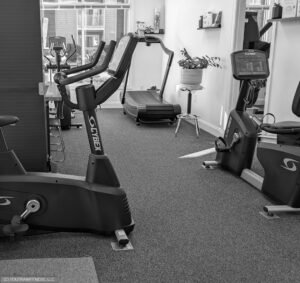
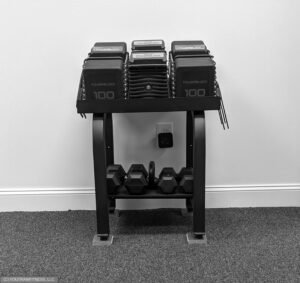
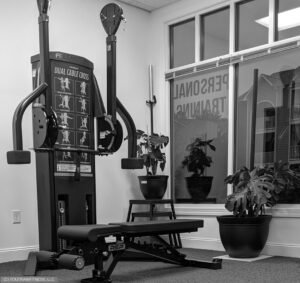
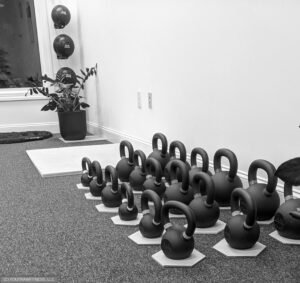
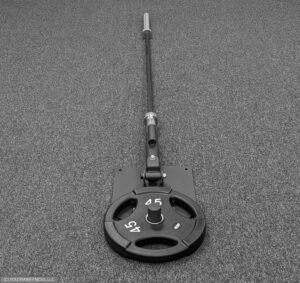
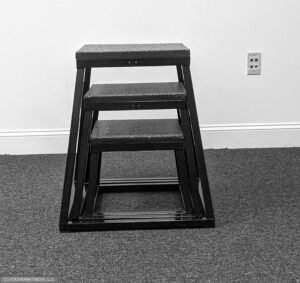
👉 Future Client or Patient Form 👉 Healthcare Provider Referral FormOur private boutique training studio (see images below) is designed for personalized exercise coaching in a quiet, professional environment.
You’ll receive:
- One-on-one coaching with an Exercise Physiologist
- Private training sessions with no crowds or waiting
- Premium commercial-grade equipment
- Individualized exercise programming
- A safe, supportive environment focused on your goals
If you are preparing for life after GLP-1 medication, we can help you build the strength, confidence, and habits needed for long-term success.






CLIENT RESULTS AND EXPERIENCE
CLIENT RESULTS AND EXPERIENCE
Clients commonly report:
- Improved strength during weight loss
- Better mobility and joint confidence
- Reduced fear of exercise
- Improved energy and daily function
- Sustainable weight loss habits
The focus is not just transformation. It is control, confidence, and long-term stability.
Interested in our exercise physiology services? Please complete the appropriate form below to get started
👉 Future Client or Patient FormSOUTH DURHAM, MORRISVILLE, NW CARY AND ALL AREA RESIDENTS, WELCOME!
SOUTH DURHAM, MORRISVILLE, NW CARY AND ALL AREA RESIDENTS, WELCOME!
YOUTRAINFITNESS®
5611 NC HIGHWAY 55
SUITE 102
DURHAM, NC 27713
Training Hours:
- Monday – Friday: 6:00 AM – 12:00 PM & 4:00 PM – 8:00 PM
- Saturday: 7:00 AM – 12:00 PM
Important: All sessions are private and by appointment only
SCHEDULE A FACILITY TOUR
Phone: 919-627-8348 (919.NC.R.U.FIT)
Email: train@youtrainfitness.com
We look forward to meeting you!
Serving clients from:
- Durham, NC
- Cary, NC – 1.7 miles from Northwest Cary
- Morrisville, NC – 3 miles from Morrisville
- Research Triangle Park (RTP) – 0.3 miles from RTP
- Surrounding Triangle communities
THE SERVICE™ GLP-1 Exercise Framework 4-Phases References
| Wilding JPH, et al. Weight regain and cardiometabolic effects after withdrawal of semaglutide: The STEP 1 trial extension. Diabetes Obes Metab. 2022;24(8):1553-1564. | Villareal DT, et al. Aerobic or resistance exercise, or both, in dieting obese older adults. N Engl J Med. 2017;376:1943-1955. |
| Wilding JPH, et al. Once-weekly semaglutide in adults with overweight or obesity. N Engl J Med. 2021;384:989-1002. | World Health Organization. WHO Guidelines on Physical Activity and Sedentary Behaviour. Geneva: WHO; 2020 |
| Wadden TA, et al. Lifestyle interventions and nutritional considerations during GLP-1 receptor agonist treatment for obesity management. Expert consensus recommendations. 2025. | American College of Sports Medicine. ACSM's Guidelines for Exercise Testing and Prescription. 12th ed. Wolters Kluwer; 2025. |
| American College of Lifestyle Medicine, American Society for Nutrition, Obesity Medicine Association, The Obesity Society. Joint advisory on nutrition priorities during obesity treatment. 2025. | American College of Sports Medicine. Resistance Training Prescription for Muscle Function, Hypertrophy, and Physical Performance in Healthy Adults: An Overview of Reviews. Medicine & Science in Sports & Exercise. 2026 |
A. Research-supported claims
- GLP-1 weight loss
- Weight regain after discontinuation
- Protein
- Resistance training
- Physical activity guidelines
B. Professional framework recommendations
- Four-phase model
- Exercise progression
- Workout splits
- Step targets
- “Stimulate, don’t destroy”
- Tapering approach
Learn More About GLP-1 Exercise
For more detailed information about exercising while taking GLP-1 medications, visit our:
This resource center provides additional educational information about GLP-1 exercise, strength training, muscle preservation, progression, and related topics.
Exercise Physiology Services in Durham, NC
This GLP-1 exercise program is part of our Exercise Physiology Services in Durham, NC.
Link: Certified Exercise Physiologist in Durham NC