

WHERE DOES THE GLP-1 EXERCISE PHYSIOLOGY COACHING IN DURHAM NC TAKE PLACE?
WHERE DOES THE GLP-1 EXERCISE PHYSIOLOGY COACHING IN DURHAM NC TAKE PLACE?
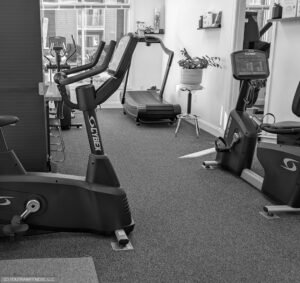
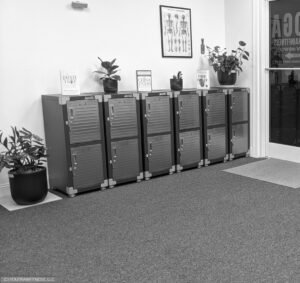
Your GLP-1 Exercise Physiology Coaching in Durham NC takes place at the YOUTRAINFITNESS® private personal training facility, a 1,480-square-foot boutique exercise studio in South Durham.
YOUTRAINFITNESS®
5611 NC HIGHWAY 55
SUITE 102
DURHAM, NC 27713
Training Hours:
- Monday – Friday: 6:00 AM – 12:00 PM & 4:00 PM – 8:00 PM
- Saturday: 7:00 AM – 12:00 PM
Important: All sessions are private and by appointment only
SCHEDULE A FACILITY TOUR
Phone: 919-627-8348 (919.NC.R.U.FIT)
Email: train@youtrainfitness.com
We look forward to meeting you!
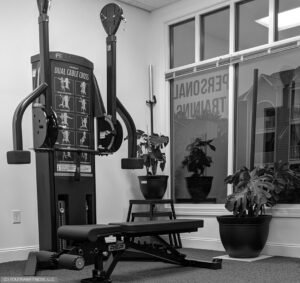
Our facility is designed to provide a comfortable, distraction-free environment where you can focus entirely on your health and fitness goals. Unlike a busy commercial gym, you’ll never have to wait for equipment, compete with crowds, or feel rushed through your session.
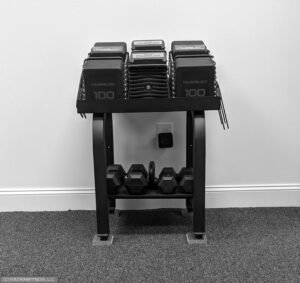
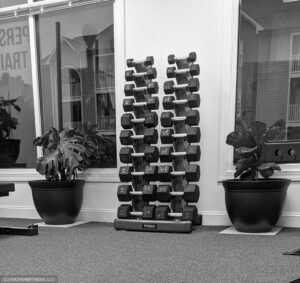
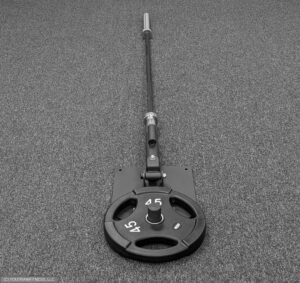
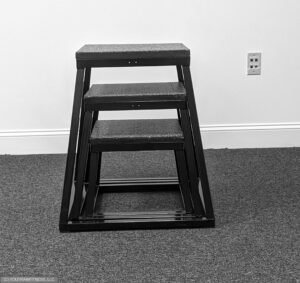
The studio is equipped with premium commercial-grade strength and cardio equipment, free weights, kettlebells, medicine balls, suspension trainers, resistance bands, and other functional training tools—everything needed to support your success throughout The Service GLP-1 Exercise Framework™.

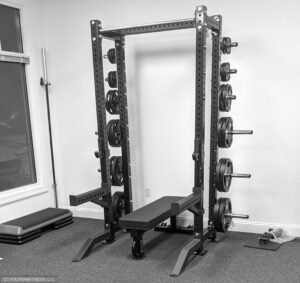
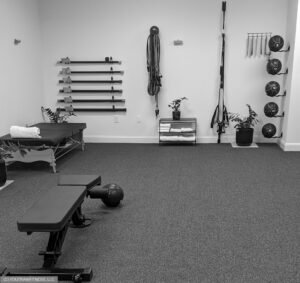
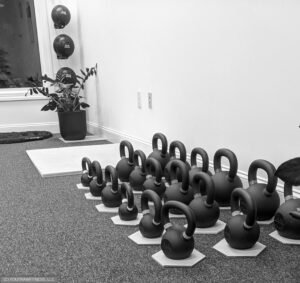
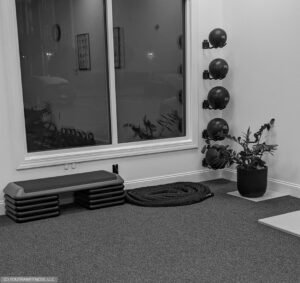
Your safety is one of our highest priorities. Every piece of equipment is regularly cleaned and inspected, our facility is equipped with an Automated External Defibrillator (AED), and all staff maintain current American Heart Association Basic Life Support (BLS) certification.
From convenient parking and a welcoming atmosphere to personalized one-on-one Exercise Physiology coaching, every aspect of our facility is designed to help you feel confident, comfortable, and fully supported during every workout.
CAN I EXERCISE WHILE TAKING OZEMPIC®, WEGOVY®, ZEPBOUND®, OR MOUNJARO®?
CAN I EXERCISE WHILE TAKING OZEMPIC®, WEGOVY®, ZEPBOUND®, OR MOUNJARO®?
Yes. In fact, exercise is one of the most important lifestyle habits to combine with GLP-1 medications. While these medications support weight loss by reducing appetite and improving blood sugar regulation, they do not directly preserve muscle mass.
A well-designed exercise program that includes resistance training, cardiovascular activity, and regular movement can help preserve lean muscle, improve strength, support metabolism, and promote long-term weight maintenance. Your exercise program should be adjusted based on your current stage of treatment and your individual fitness level.
IS STRENGTH TRAINING IMPORTANT WHILE USING GLP-1 MEDICATIONS
IS STRENGTH TRAINING IMPORTANT WHILE USING GLP-1 MEDICATIONS
Yes. Strength training is one of the most effective ways to help preserve lean muscle during weight loss.
During a calorie deficit, the body can lose both fat and muscle. Resistance training provides the stimulus your muscles need to maintain strength and lean tissue while fat loss occurs.
For most beginners, performing resistance training two to four days per week is an excellent starting point.
SHOULD I EXERCISE AT HOME OR IN A GYM
SHOULD I EXERCISE AT HOME OR IN A GYM
Both options can be effective.
The best exercise program is one you can perform consistently.
Home workouts are often ideal for beginners who want convenience and flexibility, while gym workouts provide access to additional equipment and opportunities for progressive strength training.
Within the Service™ GLP-1 Exercise Framework, patients receive individualized recommendations based on their experience, goals, and available equipment.
HOW OFTEN SHOULD I EXERCISE WHILE TAKING GLP-1 MEDICATION
HOW OFTEN SHOULD I EXERCISE WHILE TAKING GLP-1 MEDICATION
Most individuals benefit from:
- Strength training 2–4 days per week
- Cardiovascular exercise on most days of the week
- Regular walking and daily movement
- At least one recovery day each week
The exact amount of exercise depends on your current treatment phase, experience level, and recovery capacity.
WHAT HAPPENS AFTER STOPPING GLP-1 MEDICATION
WHAT HAPPENS AFTER STOPPING GLP-1 MEDICATION
Why Exercise Matters During GLP-1 Treatment
Stopping GLP-1 medication does not mean your health journey is over.
Many individuals experience an increase in appetite as medication is reduced or discontinued. This is why maintaining regular exercise, preserving muscle mass, and continuing healthy nutrition habits become increasingly important.
The Service GLP-1 Exercise Framework™ includes specific exercise strategies for the tapering and maintenance phases to help support long-term weight management after medication.
DO I NEED PRIOR EXERCISE EXPERIENCE?
DO I NEED PRIOR EXERCISE EXPERIENCE?
No.
The Service GLP-1 Exercise Framework™ was developed to support beginners as well as individuals returning to exercise after an extended break.
Your exercise plan is based on your current abilities, not your past fitness level. The emphasis is on building confidence, learning proper movement patterns, and progressing safely over time.
HOW DO YOU MEASURE MUSCLE PRESERVATION?
HOW DO YOU MEASURE MUSCLE PRESERVATION?
We don’t rely on the scale alone. What we do is track multiple indicators of lean tissue preservation, including strength performance, body composition (when available), body measurements, functional performance, and rate of weight loss. We aim to minimize losses in strength and lean mass while maximizing fat loss.
IS THE PROGRAM INDIVIDUALIZED OR THE SAME FOR EVERYONE?
IS THE PROGRAM INDIVIDUALIZED OR THE SAME FOR EVERYONE?
Every client begins with a comprehensive assessment. We individualize exercise selection, training volume, intensity, progression, recovery, and nutrition recommendations based on age, medical history, orthopedic limitations, medication response, experience, and goals.
Individualization should consider:
- Age
- Previous training history
- Joint pain
- Balance
- Mobility
- Fitness level
- GLP-1 side effects
- Chronic conditions
- Personal preferences
- Available equipment
HOW IS TRAINING ADJUSTED DURING NAUSEA, FATIGUE, OR PLATEAU PERIODS?
HOW IS TRAINING ADJUSTED DURING NAUSEA, FATIGUE, OR PLATEAU PERIODS?
Exercise is adjusted—not abandoned. During periods of nausea or fatigue we reduce training volume, simplify movements, lower intensity, or substitute walking or mobility work. Once symptoms improve, we gradually resume progression.
Examples include:
- Fewer sets
- Lower training loads
- Shorter workouts
- Longer rest periods
- More seated or machine-based exercises if balance is affected
- Walking instead of intervals
- Mobility work during difficult weeks
For plateaus:
- Review protein intake
- Review sleep
- Evaluate recovery
- Increase NEAT (daily movement)
- Progress resistance training
- Reassess calorie intake only if appropriate
- Avoid simply adding endless cardio
WHAT PROGRESSION MODEL IS USED?
WHAT PROGRESSION MODEL IS USED?
We use progressive overload while accounting for recovery capacity. Progression may involve increasing resistance, repetitions, sets, exercise complexity, or training density only when movement quality and recovery support it.
Progression might include:
- Increase weight
- Increase reps
- Increase sets
- Improve movement quality
- Increase range of motion
- Improve balance
- Increase work capacity
Not every week requires adding weight.
Sometimes maintaining strength during rapid weight loss is progress.
DO YOU COORDINATE WITH A CLIENT'S PHYSICIAN IF NEEDED?
DO YOU COORDINATE WITH A CLIENT'S PHYSICIAN IF NEEDED?
Absolutely! With the client’s written permission, we communicate with physicians and other healthcare providers when exercise modifications or medical concerns arise. We stay within our scope of practice while collaborating as part of the healthcare team.
Examples:
- Orthopedic restrictions
- Blood pressure concerns
- Diabetes medications
- Surgical recovery
- Severe nausea
- Hypoglycemia
- Significant fatigue
HOW DO YOU DETERMINE WHEN WE WILL PROGRESS THE EXERCISES?
HOW DO YOU DETERMINE WHEN WE WILL PROGRESS THE EXERCISES?
Unlike conventional exercise protocols that advance patients according to a fixed calendar, The SERVICE™ GLP-1 Exercise Framework uses individualized Exercise Physiology decision points informed by patient response, functional outcomes, and relevant medical considerations communicated through collaboration with the healthcare team. Patients advance through each phase based on demonstrated exercise tolerance, functional milestones, and readiness for progression rather than a predetermined timeline. This individualized progression model is a hallmark distinction of the SERVICE™ GLP-1 Exercise Framework.
HOW DO YOU ADDRESS BONE HEALTH AFTER MEDICATION?
HOW DO YOU ADDRESS BONE HEALTH AFTER MEDICATION?
Bone health is addressed through progressive resistance training, impact activities when appropriate, balance training, adequate protein, and coordination with healthcare providers regarding calcium and vitamin D.
Bone health strategies include:
- Resistance training
- Weight-bearing exercise
- Balance training
- Progressive loading
- Adequate protein
- Calcium and vitamin D when appropriate (guided by a healthcare professional)
HOW DO YOU ADDRESS LONG-TERM WEIGHT MAINTENANCE AFTER MEDICATION?
HOW DO YOU ADDRESS LONG-TERM WEIGHT MAINTENANCE AFTER MEDICATION?
Long-term maintenance focuses on sustainable exercise habits, muscle preservation, and gradually transitioning from a weight-loss phase to a lifelong fitness program.
Long-term maintenance includes these recommendations:
- Continued strength training (2–4 days/week for most people)
- Regular aerobic activity
- Maintaining daily movement
- Periodic reassessment of goals
- Nutrition strategies that support weight maintenance
- A transition plan if GLP-1 medication is reduced or discontinued
Furthermore,
Research increasingly suggests that maintaining muscle and bone during GLP-1 therapy can improve long-term outcomes.
READY TO BEGIN?
READY TO BEGIN?
Whether you are just starting GLP-1 medication or preparing for life after treatment, the SERVICE™ GLP-1 Exercise Framework provides a structured path to help you preserve muscle, build strength, and support long-term success.
Choose the option that best fits your needs:
Buttons: Interested in our exercise physiology services? Please complete the appropriate form below to get started
Future Client or Patient Form → Healthcare Provider Referral Form →Thank you!❤️ We look forward to meeting you!
SERVICE AREAS
SERVICE AREAS
Based in Durham, NC, I work with individuals throughout the Triangle, including Cary, Morrisville, Research Triangle Park (RTP), Chapel Hill, Hillsborough, and surrounding communities. Our GLP-1 Exercise Physiology Coaching in Durham NC is designed to meet you GLP-1 Therapy Exercise needs.
THE SERVICE™ GLP-1 Exercise Framework Resources
| 01. THE SERVICE™ GLP-1 Exercise Framework Learn how the different phases of the framework can help you through your GLP-1 therapy | 06. WHAT HAPPENS AFTER GLP-1 MEDICATIONS Learn some helpful strategies for achieving success after GLP-1 medication |
| 02. PHASE 1: REDUCED DOSE EXERCISE PLAN Learn how to establish the proper foundation for the journey ahead | 07. THE SERVICE™ GLP-1 Exercise Framework Clinical Exercise Referral A clinician's guide to evaluate our services for clients/patients. |
| 03. PHASE 2: FULL DOSE EXERCISE PLAN Learn how maximize muscle preservation and fitness progress | 08. THE SERVICE™ GLP-1 Exercise Framework Clinical Handout Download a one page summary with QR Code to read full document |
| 04. PHASE 3: TAPERING OFF GLP-1 EXERCISE PLAN Learn how to protect results during transition | 09. THE SERVICE™ GLP-1 Exercise Framework Patient-Facing Handout Download a one page summary of what to expect with our exercise program |
| 05. PHASE 4: OFF GLP-1 EXERCISE PLAN Learn how to achieve long-term health and lifestyle Independence | 10. GLP-1 EXERCISE PHYSIOLOGY COACHING IN DURHAM NC Learn how to preserve muscle, build strength, support weight loss, and create lifelong exercise habits |
THIS PROGRAM IS PART OF OUR EXERCISE PHYSIOLOGY SERVICES IN DURHAM NC
THIS PROGRAM IS PART OF OUR EXERCISE PHYSIOLOGY SERVICES IN DURHAM NC
Link: Certified Exercise Physiologist in Durham NC